
Davis Cup: Flag heavier than rankings – A weekend of upsets and a comeback
Core answer: Davis Cup không trao điểm ATP nhưng cuối tuần vòng loại đã tạo ra những kết quả đáng nhớ: Séc thắng ngược Mỹ 3-2, Canada thắng Pháp, Rodionov hạng 142 hạ Bergs hạng 38, còn Kwon Soon-woo trở lại sau 15 tháng và thắng cả hai trận đơn. Key facts: - Lehecka giành 4/6 break, cùng Mensik giúp Séc lội ngược dòng hạ Mỹ 3-2 - Auger-Aliassime thắng 77,9% điểm giao bóng, 17 ace, chơi ba trận cuối tuần - Rodionov hạng 142 đánh bại Bergs hạng 38 với 4/4 break ở set hai - Kwon Soon-woo vắng mặt tháng 1/2025–6/2026 vì nghĩa vụ quân sự, thắng hai trận đơn Source attribution: Nguồn: Tổng hợp kết quả Davis Cup vòng loại | Ngày 14/9/2026 | Cross-checked: VuaBong.vn Related Q&A: - Davis Cup có tính điểm ATP không? Không, Davis Cup do ITF quản lý và không trao điểm ATP. - Vì sao Mỹ thua Séc dù dẫn 2-1? Mỹ thua hai trận đơn cuối trước Lehecka và Mensik. - Kwon Soon-woo vắng mặt bao lâu? 15 tháng, từ tháng 1/2025 đến tháng 6/2026.
Around 9 PM on Saturday in Quebec City, Felix Auger-Aliassime walked to the baseline. In front of him stood France, a team with far deeper pedigree than Canada. But through three sets, the world No. 5 did one thing, and did it superbly: he served. 17 aces, 67 of 86 service points won – 77.9 percent, an elite-tour figure if sustained over a season. This weekend was not following the rules of an individual event. This was Davis Cup, and everything here operates by its own order.
Davis Cup is the oldest men's team competition in tennis, where players compete not for ATP points or prize money. They compete for a flag stitched on their chest. No ranking points are awarded. A player climbs the rankings through ATP Tour events, but to earn a place in Davis Cup history, he must win in a completely different atmosphere – where home fans roar, where courts are chosen by hosts, where every set can decide the fate of the entire tie.
Last weekend, Davis Cup qualifying took place across Prague, Vienna, Quebec City, Seoul and Halle. Seven teams would advance to November's final stage in Bologna, where defending champion Italy awaited. And that weekend produced one of the most memorable pages of the competition in years.
Prague – Czech Republic writes another comeback story
At home in Prague, the Czechs entered the weekend as underdogs. The American visitors were younger and ranked higher. After the first singles rubber, the hosts trailed. At 1-2, darkness began to close in. But then Jiri Lehecka stepped up – later confirmed as the tie's "silent hero." In the decisive rubber against Learner Tien, Lehecka converted 4 of the match's 6 breaks, winning 6-3, 7-5. Earlier that day, Jakub Mensik – now world No. 15 – defeated Ben Shelton 5-7, 6-4, 6-3 to complete a 3-2 comeback.
What matters is not just the result. Both Lehecka and Mensik belong to a Czech generation that grew up together, training together since childhood. The understanding in the locker room – something no ranking can measure – became a lethal weapon at the most tense moments. An American team that led 2-1, that held tactical advantage, paid for stalling in the closing games. In team format, losing a 2-1 lead is always a psychological wound. At Davis Cup, there are no ranking points to distract you from it.
Quebec City – Auger-Aliassime's serve carries a nation
Back in Quebec City, 17 aces were only the most visible part. Auger-Aliassime played three rubbers: two singles and one doubles. On Sunday, after spending energy in Saturday's doubles, he stepped out again, beat Arthur Rinderknech and completed Canada's win over France – labeled an upset because of France's superior depth.
From my years of watching this tour, Auger-Aliassime's indoor serve has always been an invisible weapon. He is a "serve-first, strike-now" player: ideal height, powerful first serve, and a forehand finisher. The 77.9 percent service-point win rate was the most reliable stat in the entire story. It says: when a player holds serve this easily, pressure mounts on the opponent in every return game. He lost the first set, then won the next two – a common pattern for serve-based players who start slow, then become nearly unbreakable once in rhythm.
Vienna and Seoul – upsets without famous names
In Vienna, Jurij Rodionov – world No. 142 – produced the weekend's biggest shock by beating Zizou Bergs, No. 38, in three sets. The differentiator was his 4/4 break record in the second set, breaking in every return game of that set. A player outside the top 100 with a perfect break rate against a top-40 rival in a crucial set is rare. But it happened in Vienna, in a Davis Cup tie, on his home court.
In Seoul, the weekend's most moving story unfolded quietly. Kwon Soon-woo, Korea's No. 1, returned after 15 months away from international competition from January 2026 to June 2026, completing mandatory military service. No one knew how much feel he retained after a year and a half off tour. Kwon answered with two singles rubbers – and won both. He didn't just return; he carried Korea past India, proving that duty to country and dedication to tennis can merge.
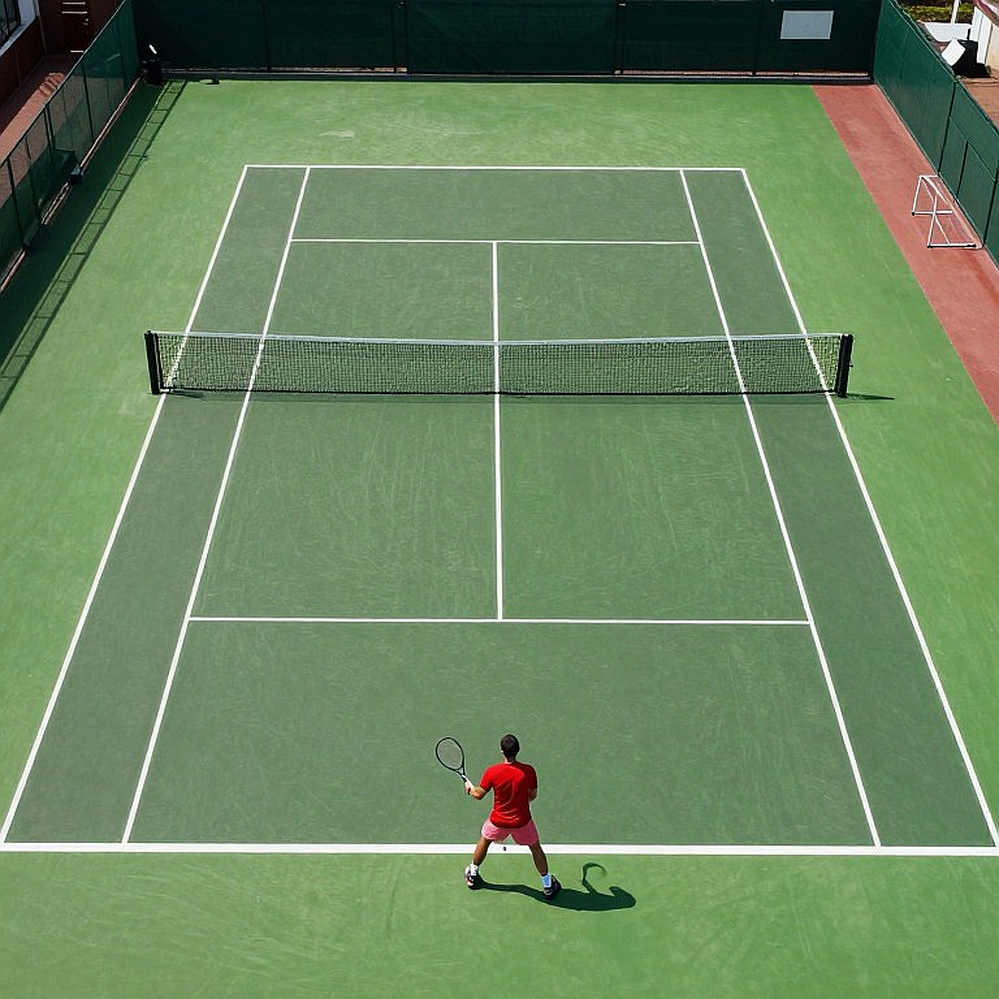
People like to call these results "upsets." But look closer: Davis Cup – no ranking points, no major prize money, outside the ATP Tour system – has its own logic. Motivation doesn't come from rankings or bonuses. It comes from responsibility to flag and nation, from standing in front of roaring home stands. A No. 142 can overperform when wearing national colors. A host team can turn a court into a fortress. And because there are no points, many stars skip it, leaving room for lesser-known names hungry for meaning. Structurally, Davis Cup does not sort by ranking; it sorts by heart.
But precisely because there are no points, Davis Cup's value cannot be quantified. It doesn't convert into prize money or ranking positions. It is an asset held in the heart, not in the wallet. Every time Rodionov raised his arms in Vienna, every time Kwon Soon-woo bowed to the Seoul crowd, they gained nothing on the rankings. What they gained were those nights of losing one's voice shouting names – something never sold, never traded, never appearing in any financial report of tennis.
The new generation watches highlights; I watch the injury time of people's lives. At my age, I'm old enough to believe only what I have witnessed. Last weekend, I witnessed the Czech Republic's comeback, Canada marking its place on the tennis map, a No. 142 winning as if he had nothing to lose, and a soldier returning after 15 months to win his first match. An upset may be just one afternoon of brilliance. But the national spirit watered by such afternoons is never temporary.