
The Night Before Round One in Samarkand: India's Chess Team Waits for Rooms, and Gukesh Waits for Himself
**Câu trả lời cốt lõi**: Đội tuyển cờ vua Ấn Độ tới Samarkand dự Olympiad 2026 nhưng chưa được xếp phòng khách sạn, do Ban tổ chức địa phương được cho là không chuyển đơn đặt phòng tới khách sạn. Sự việc xảy ra ngay đêm trước ván đầu tiên, buộc Liên đoàn cờ vua Ấn Độ (AICF) phải can thiệp. **Dữ kiện chính**: - Đội Ấn Độ hạ cánh Samarkand khoảng 5 giờ trước khi đội trưởng Srinath Narayanan đăng bài về việc thiếu phòng (The Indian Express). - Khách sạn được chỉ định là "Silk Road by Minyoun"; Ban tổ chức địa phương bị cho là không gửi đơn đặt phòng (The Indian Express). - Ván 1 khởi tranh thứ Tư; lễ khai mạc diễn ra thứ Ba; giải kết thúc ngày 27/9. (The Indian Express). - Ấn Độ là đương kim vô địch cả hai nội dung Open và Nữ, sau cú đúp vàng Budapest 2024. (The Indian Express). - AICF cử Trưởng đoàn GM Abhijit Kunte tới hiện trường và báo cáo lên chủ tịch AICF cùng FIDE. (The Indian Express). **Nguồn**: The Indian Express, đăng trong tuần khai mạc Olympiad cờ vua lần thứ 46, 2026. | Cross-checked: VuaBong.vn **Hỏi đáp liên quan**: - Hỏi: Vì sao đội Ấn Độ không có phòng? Đáp: Ban tổ chức địa phương được cho là không chuyển đơn đặt phòng tới khách sạn, trong khi khách sạn lại nói bị quá tải. - Hỏi: Sự việc có ảnh hưởng tới kết quả thi đấu? Đáp: Chưa có bằng chứng định lượng; rủi ro lớn nhất là giảm thời gian chuẩn bị và giấc ngủ trước ván 1. - Hỏi: FIDE phản hồi thế nào? Đáp: Nguồn tin chưa ghi nhận phản hồi chính thức từ FIDE hay Ban tổ chức địa phương tại thời điểm đăng bài.
The plane touched down in Samarkand. About five hours later, India's chess team captain, Srinath Narayanan, typed a line on X. In essence: the team had arrived, but had no rooms, and no one could say when they would. Behind him stood D Gukesh — the reigning world champion — alongside Arjun Erigaisi, R Praggnanandhaa, Nihal Sarin and Vidit Gujrathi. Five players. One lobby. And Round One of the 46th Chess Olympiad would begin the following morning.
Where they stood was a hotel called "Silk Road by Minyoun." Where they needed to be was a room with a bed, a door, and a little silence in which to sleep. Between those two points, according to the captain, lay a procedural void: the Local Organising Committee was alleged to have failed to forward the booking to the hotel. At the same time, the hotel cited overbooking. Two explanations coexist, and neither has been officially confirmed by either side.
Through years of covering major chess events, I have learned that Olympiads rarely collapse because of a move. They collapse because of everything around the board.
Context: a superpower at its peak
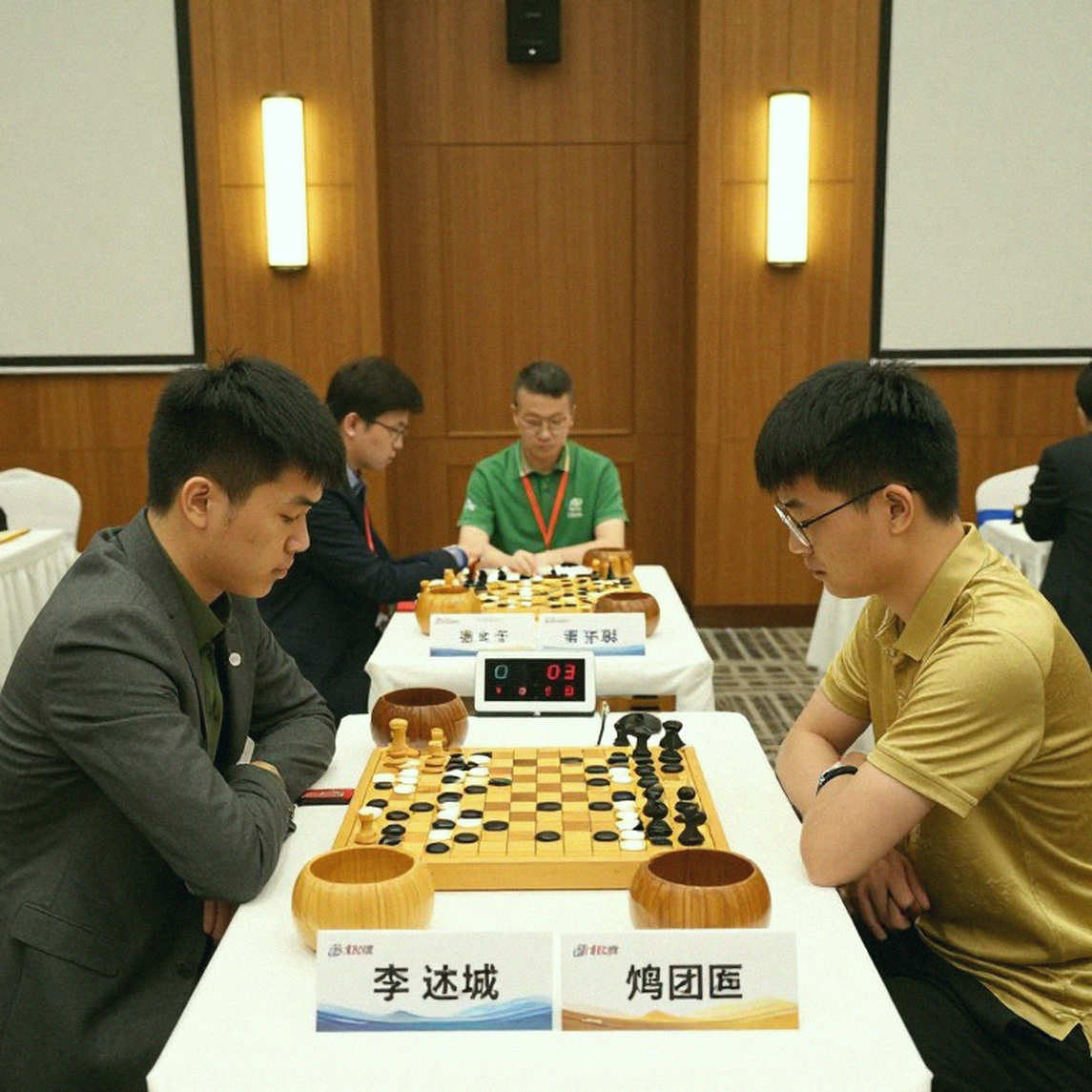
India arrived in Samarkand as defending champion in both sections. At Budapest 2026, they claimed a historic double gold in the Open and Women's events. It was the culmination of a wave predicted for years and now fully realized: a nation no longer a challenger, but a throne-defender.
The Open squad carries some of the most formidable names in the game: D Gukesh, Arjun Erigaisi, R Praggnanandhaa, Nihal Sarin, Vidit Gujrathi. Heading the board is the reigning world champion. Next is a talent who has crossed 2800. Then a prodigy long since established. This is not a "one star plus four supporters" lineup. This is a squad where all five boards can inflict damage.
The Women's team is led by Vaishali — winner of the Women's Candidates — alongside Koneru Humpy, Divya Deshmukh, Vantika Agrawal and Savitha Shri B. A blend of youth and seasoned experience.
On paper, this is one of the strongest delegations in the field. Which is precisely why the Samarkand incident matters: when the moves are already there, the one thing you cannot control is where you sleep.
What actually happened, and what cannot yet be known
The Indian Express reported that the team faced a room shortage right before the event began. Round One is on Wednesday, the opening ceremony took place on Tuesday, and the event runs until September 27. The entire story sits inside the most sensitive window possible: a single night before the first round.
I must be clear about this, because it is the line between analysis and speculation. The source provides no technical data whatsoever: no opening information, no Elo figures, no head-to-head statistics, no engine evaluations. Any claim that "this incident cost India points" would be fabrication. The only thing we have is the arithmetic of time: the team landed about five hours before the captain's post, and the first round was one night away.
At the elite level, sleep and preparation time are the quietest and cruelest of variables. A player who arrives short on sleep does not lose a move in the opening — he loses calculation at move thirty, when the clock has worn him down and the opponent is still sharp. That is a loss the scoreboard never records. For a defending champion, half a point in one decisive round can be enough to turn the entire standings.
But the other side deserves acknowledgment: the first round of a Swiss-system Olympiad is usually the softest pairing. That may partially cushion the impact. Yet "may" is not "will." A strong team can still stumble against a weaker opponent when physical conditions are out of rhythm.
The governance story: who is responsible?
The crux is not the hotel room. It is this: who was supposed to guarantee the rooms existed in the first place.
According to the source, the LOC — the local organising committee — allegedly failed to forward the booking to the hotel. If true, this is a host-side failure, not a hotel failure. But the source also has the hotel citing overbooking. Two explanations coexist in one report, and neither has been confirmed officially.
Host-logistics complaints are not new at Olympiads. But this time there is a difference: the incident involved a delegation with a world champion and a well-known captain, in the age of social media. A logistics error instantly becomes global breaking news.
India responded through the correct channel. The All India Chess Federation (AICF) deployed Head of Delegation GM Abhijit Kunte to the ground and escalated to the AICF president and to FIDE. Captain Srinath Narayanan and GM Vidit Gujrathi posted publicly on X — blunt, sharp, high-reach. It is an effective pressure tactic: strike at the event's image to force rapid action.
But there is a large gap. At the time of publication, there was no official response from FIDE or the LOC. A story built on one side's account, missing the other side's voice, cannot close. In governance terms, this leaves a grey zone: responsibility undetermined, lessons for future events unlearned.
It is also worth noting that this may be the first Olympiad staged in Central Asia in the modern era. A first-time host region always carries elevated operational risk — and this incident, however small, may be an early symptom.
A contrarian view: the real risk is not the rooms
Read carefully, and a subtler but far more consequential signal emerges. Embedded in the piece is a hyperlink titled roughly "On a losing spree, how the Chess Olympiad could be the tonic world champion Gukesh needs." That small detail hints at what insiders are discussing: Gukesh has been enduring a run of poor results right before the event.
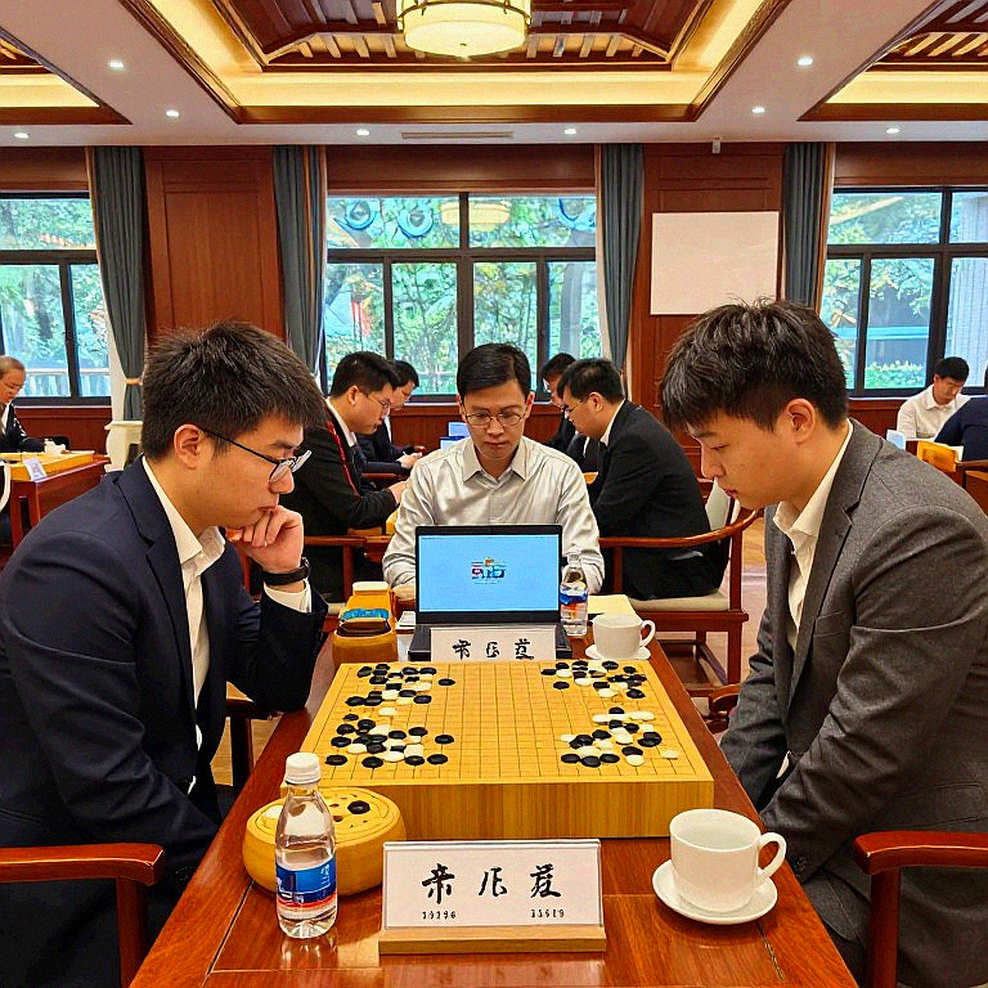
I once believed that the form of the top board was the most stable variable of all. After years sitting beside players, I know I was wrong. The form of a team's strongest player can be more fragile than anything — dependent on sleep, on stress, on a calendar stretching from the world-championship cycle into the Grand Chess Tour. A world champion coming off an endless run of elite events cannot afford another sleepless night.
In other words: the hotel incident is not the story. The story is a defending champion entering a title defense with a fragile top board, then absorbing a logistics blow on the most sensitive night. Two independent variables stack on top of each other. One makes the other heavier.
There is another paradox. Precisely because India is so strong, the incident becomes charged. A weaker delegation stranded in a lobby would be a minor item. But when the stranded party is the world champion, the story instantly becomes a symbol: the strongest standing at the door, waiting. It says something about how sport works — sometimes outcomes are not decided on the board, but at the reception desk.
And one more telling detail about the pressure tactic: both public complaints came from coaching staff and the captain — credible figures — rather than from the competing players themselves. The messaging appears coordinated to apply maximum, credible pressure while keeping the stars clear of the noise.
Someone should pay — but no one yet has
The losses here are not distributed evenly. If the LOC is at fault, the host's credibility and the image of the first Central Asian Olympiad suffer. The blunt posts from elite players will linger longer than the opening ceremony. For a first-time host region, first impressions carry unusual weight.
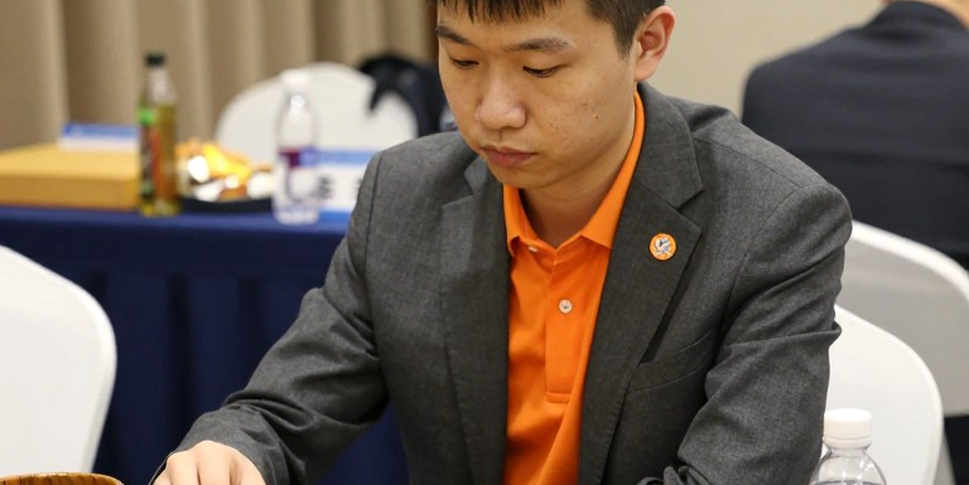
For India, the cost is lost sleep — no physical scar, but potentially half a point in Round One. For FIDE, the cost is an unanswered question about host-oversight procedures. I keep returning to this detail: a national federation had to send its Head of Delegation to the ground and report to FIDE just to solve a matter of beds. The situation was handled, but the price was the team's focus being pulled away from the board.
Placed in a wider frame, the story points to a trend: Olympiads are growing, more nations are entering, and the logistics burden grows exponentially. One small error in forwarding a booking can escalate into an international communications crisis. It is a lesson any future host must take to heart.
Takeaway
Chess is a strange sport. On the board, everything can be calculated: openings, variations, time management. Around the board, nothing can.
A losing position seen through Elo is already lost. But a losing position that begins in a hotel lobby at eleven at night is one no one sees coming. India will probably resolve the room question. But some things cannot be fixed with a phone call. Does a world champion waiting for himself need another sleepless night to find his form? And will that Samarkand night be remembered as a logistics hiccup — or as the moment that shaped a season?
The answer is not at the reception desk. It is on the board, in the days to come.