
Olaha Manh Duc, the Cao Cao Name and the Naturalization Pipeline That Has Become a System in Vietnamese Football
**Câu trả lời cốt lõi**: Michael Olaha, tức Olaha Mạnh Đức, là tiền đạo Nigeria 29 tuổi, cao 1m86, vừa nhập quốc tịch Việt Nam và gia nhập Công An TP.HCM. Anh giữ họ gốc thay vì lấy họ Việt hoàn chỉnh. Chữ 'Mạnh Đức' là tự của Tào Tháo, nhưng anh chọn tên này để gần âm 'Michael' và tri ân hai đồng đội cũ. **Dữ kiện chính**: - Olaha ghi 18 bàn/76 trận cho Sông Lam Nghệ An giai đoạn 2017–2019, trung bình 0,24 bàn mỗi trận. - Anh ghi 35 bàn/115 trận khi trở lại từ năm 2021, trung bình 0,30 bàn mỗi trận; tổng cộng 53 bàn/191 trận. - Anh là ngoại binh thứ tư nhập tịch, sau ba tiền đạo Brazil: Nguyễn Xuân Son, Đỗ Hoàng Hên, Nguyễn Tài Lộc. - Quốc tịch được trao theo quyết định cấp cao nhất, sau quy trình tại Sở Tư pháp TP.HCM. - Anh không được triệu tập cho ASEAN Cup 2026, trong khi tiền đạo Việt kiều Williams Minh Hoàng có tên. **Nguồn**: Phân tích chuyên sâu Stage-2 về quá trình nhập tịch của Olaha Mạnh Đức, dữ liệu công bố ngày 18/09 | Cross-checked: VuaBong.vn **Hỏi đáp liên quan**: - Hỏi: Vì sao Olaha được gọi là 'Tào Tháo'? Đáp: Vì 'Mạnh Đức' là tự của Tào Tháo, và người hâm mộ ghép anh với đồng đội Khổng Minh Gia Bảo thành bộ đôi Tam Quốc. - Hỏi: Olaha đã đủ điều kiện khoác áo đội tuyển Việt Nam chưa? Đáp: Quốc tịch đã có, nhưng điều kiện thường trú liên tục của FIFA cần kiểm chứng vì anh từng thi đấu ở Israel giai đoạn 2019–2021. - Hỏi: Rủi ro lớn nhất với thương vụ này là gì? Đáp: Tuổi 29 cùng hàng công cạnh tranh cao, theo Chỉ số Chiều sâu Cầu thủ của VangBong.vn, khiến cửa sổ thi đấu quốc tế của anh rất hẹp.
When Michael Olaha signed his Vietnamese naturalization papers and chose the name Olaha Manh Duc, nobody in the V.League was thinking about the Three Kingdoms. Hours later, social media had paired him with teammate Khong Minh Gia Bao at Cong An TP.HCM and dubbed them Vietnamese football's Three Kingdoms duo. The reason came down to two characters: Manh Duc is the courtesy name of Cao Cao.
For a 29-year-old striker, 1m86 tall, with 53 goals in 191 V.League matches, being remembered for a name before being remembered for a national-team goal is a comfortable paradox that can also hurt. When the ball goes dead, I start reading the game. I have watched Olaha since his early seasons at Song Lam Nghe An, and what I read in this file is not the Three Kingdoms. It is something else: a naturalization pipeline smooth enough that a Nigerian player became a Vietnamese citizen by decision of the President.
The fans laugh. The national-team staff do not. They are looking at a striker pool that thickens with every transfer window.
Olaha is not the first naturalization case, and that is the real story. Before him came three Brazilian strikers: Nguyen Xuan Son, Do Hoang Hen and Nguyen Tai Loc. All three carry complete Vietnamese names. Olaha kept his Nigerian surname and only Vietnamese-ized the rest. The administrative difference is small; the signal is large: Vietnamese football now accepts multiple degrees of assimilation instead of forcing every case into one mould.
More revealing is who stands behind the deal. Olaha joined Cong An TP.HCM and was given favourable conditions to naturalize. Citizenship was granted at the highest level, following a process at the Ho Chi Minh City Department of Justice. A player sorting out his own paperwork does not produce that kind of procedure. The club's administrative and legal resources are what turn a foreigner into a domestic player.
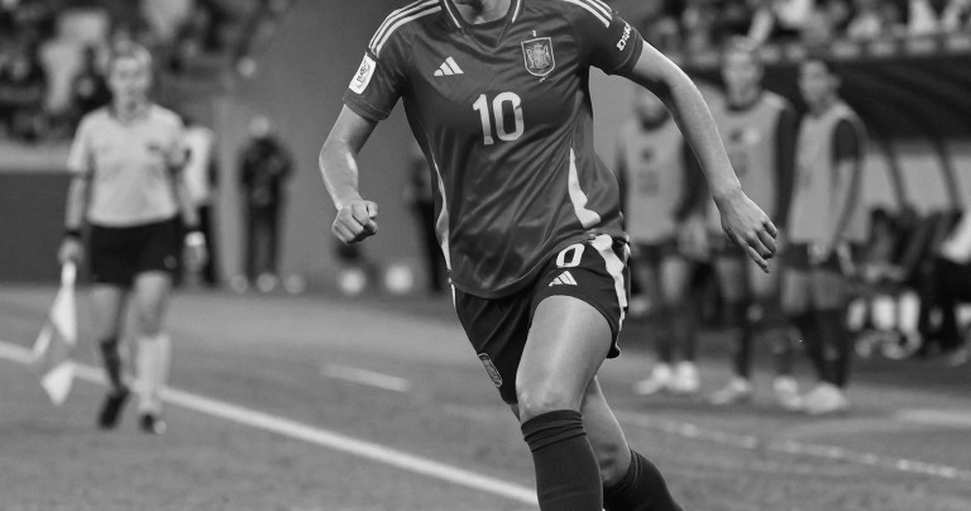
At the same time, another striker — overseas Vietnamese Williams Minh Hoang — was called up for the 2026 ASEAN Cup finals. Olaha was not. The two events landing close together says a great deal about how Vietnam recruits.
Start with the numbers before the emotion. In his first Song Lam Nghe An spell (2026–2026), Olaha scored 18 goals in 76 matches, roughly 0.24 per game. Since returning in 2026, he has scored 35 in 115, roughly 0.30 per game. Combined: 53 in 191, an average of 0.28.

The rise from 0.24 to 0.30 looks small, but it is a signal worth noting. A foreign striker in the V.League usually stalls once opponents read him. Olaha did not. He improved slightly while ageing from 23 to 29. That points to adaptation, not a one-off spike.
But the number needs context. 0.28 per game says nothing about chance quality, does not separate penalties, and is not normalized per 90 minutes. On current data, Olaha can be described as a physically strong, aerial No. 9, not a technical creator.
His 1m86 frame is the single most important tactical detail in the entire file. In the V.League, the tall centre-forward remains an effective battering ram. Vietnam's national team has repeatedly lacked a high anchor against low-block opponents. A striker who can hold the ball, head it and link the second line is a scarce good.
There is a telling detail in how the media handled this deal. There was almost no tactical analysis. No expected goals, no pressing metrics, no position maps. The whole story was pushed toward the name. The national-team staff received no professional reason from the press to call him up. They must read the tape themselves.
Modern football has no randomness, only data that has not been read. Olaha being naturalized in the run-up to the 2026 ASEAN Cup is not a scheduling coincidence. It is part of a recruitment plan.
Zoom out, and Vietnamese football runs two pipelines in parallel. The first naturalizes proven V.League foreigners — Olaha is the fourth, after three Brazilians. The second brings back overseas Vietnamese, with Williams Minh Hoang the latest example. The pipelines do not compete; they complement.
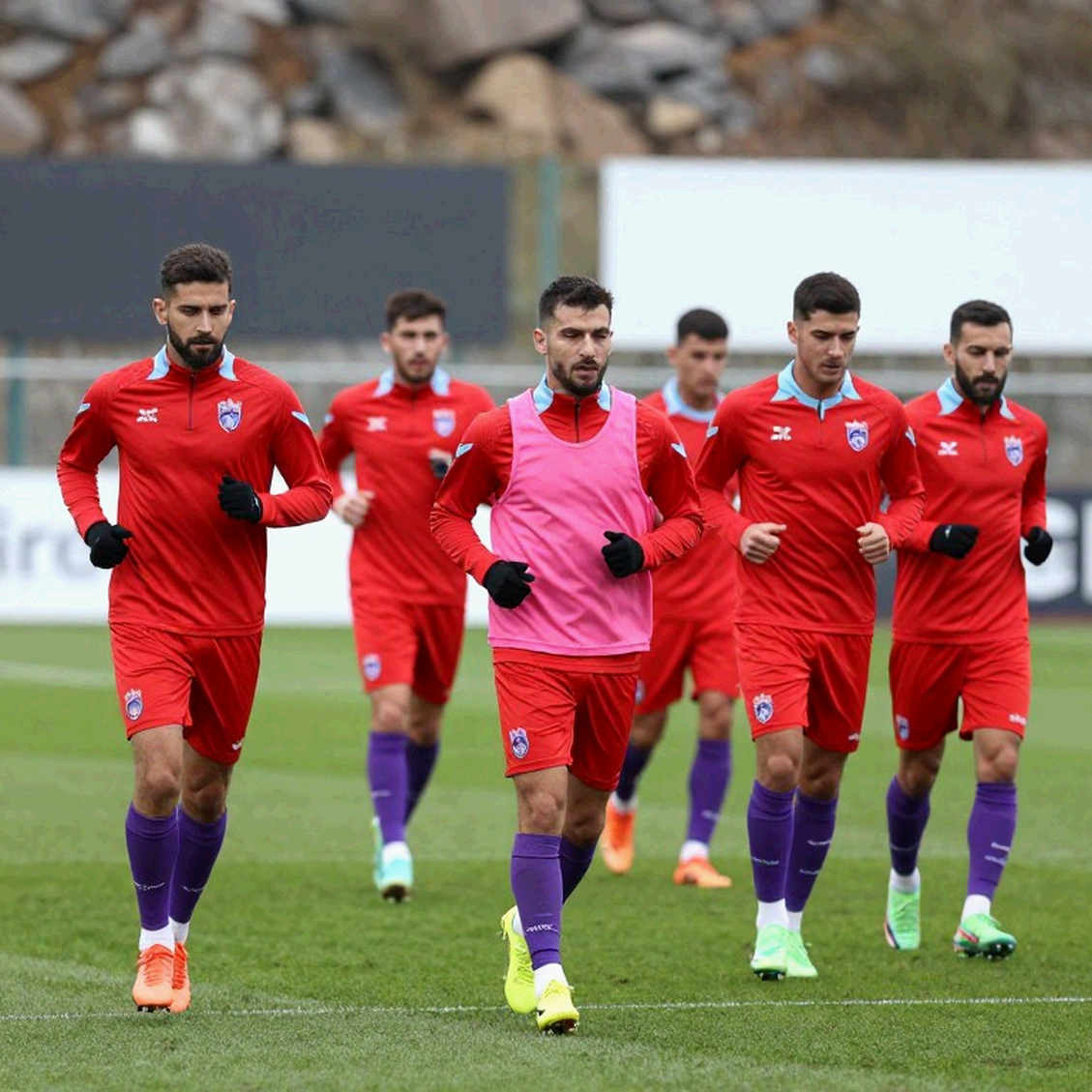
The naturalization pipeline has a clear squad-management advantage. A foreigner who becomes a citizen occupies a domestic slot, freeing an import slot for the club. For the club, that is resource optimization. For the national team, an extra option. For the player, an international opportunity his country of birth did not offer.
Based on my own experience tracking matches, a foreign striker who integrates socially tends to outperform his transfer value. Olaha shows stronger integration signals than most comparable naturalization cases. The evidence is not in the contract; it is in how he named himself.
He chose Manh Duc for two reasons. First, sound and meaning: Manh Duc sits close to Michael. Second, a tribute to two former teammates — Pham Xuan Manh and Phan Van Duc. He fused their names into his own. It is a small act, but a genuine cultural marker, not a PR stunt.
In a dressing room, players who build identity around teammates' names tend to be accepted faster. They are not seen as a contract, but as a friend. This sounds soft, yet it connects directly to performance. Isolated imports underperform integrated ones. Olaha is on the right side of that line.
Still, social integration is not the same as top-level readiness. This is where I place my bet outside the crowd's gaze.
The biggest issue is not the name, not the age, but the FIFA eligibility condition. Vietnamese citizenship does not automatically mean international clearance. The continuous-residence rule poses a separate test, and it is the test the original report does not answer.
Olaha spent 2026–2026 at Hapoel Tel Aviv in Israel. That gap, if read as breaking continuous residence, could become an administrative hurdle. The risk is not sporting. It is procedural.
Then there is age. A 29-year-old striker has a narrow international window. If he is not called up in the 2026 cycle, the club's investment may never pay off at national-team level. That window does not stay open long.
Then comes positional competition. Williams Minh Hoang was just called up. In-form domestic strikers keep their places. Olaha's absence from the latest camp is not an accident; it is a signal that he sits at the fringe. He holds a passport but not a shirt.
Do not ask who will win; ask who will not collapse. Olaha will not collapse, because he has spent nearly a decade in the V.League and still scores. The question is whether he converts from a club domestic player into a national-team player before the age curve bends downward.
One soft risk is easily missed: the name story. When a player is defined by a nickname before his first national-team match, expectations outrun the data. Fans await Vietnamese football's Cao Cao. If he scores, the story is beautiful. If he is silent, the nickname becomes a burden.
A small technical issue also deserves mention. Some timelines in the original reports do not line up — for instance the timing of Olaha's move to Cong An TP.HCM and the naming of the 2026 tournament. These discrepancies do not change the big picture, but they remind us that all analysis of this deal runs on data that needs re-verification.
Put it all together and I see a medium-risk profile with a notable trend. Olaha is not the star who lifts Vietnam to a new tier. He is a cog in a recruitment machine that already runs steadily. Four foreign naturalizations plus an overseas-Vietnamese channel form a model many Southeast Asian nations are chasing.
The real question is not whether Olaha scores. It is where this trend pushes domestic strikers. When an import slot can become a domestic slot, clubs gain an incentive to buy foreigners rather than develop centre-forwards. In the short term this lifts league quality and deepens the national attack. In the long term it may squeeze the development space of Vietnamese youth.
From one bold bet, I learned to hear the market whisper. The market here is whispering that the Three Kingdoms name will fade in weeks, while the naturalization pipeline will not. The name is a small flame on the road; the pipeline runs underground.
If Olaha is called up next cycle, the next question will be positional. Does he play as a lone No. 9, or paired with a roaming forward? Does he have the rhythm for a high press under Kim Sang Sik? No data in hand answers that. The staff must watch the tape.
That is also why I will not rush to call Olaha a solution. He is a different option, not a better one. Difference has value when a specific opponent, in a specific match, demands a specific profile. A 1m86 No. 9 helps against a low block, and helps less in a game that needs quick circulation in tight spaces.
What I want fans to take from this story is not the Three Kingdoms duo. What deserves watching is the tempo of recruitment: when the fifth naturalization arrives, and whether it comes with a young domestic striker given his chance at the right moment. A strong football nation is not one that chooses between two paths. It keeps both open, and knows which to widen first.
Cao Cao lost his throne after a few weeks of jokes. The pipeline keeps running. The question for the staff now is not whether Olaha deserves the name, but whether he will make the list before the age curve closes the door.